July 28, 2026 · Property Management
When a Tenant Flushes a Toy Down the Toilet: Who Fixes It and Who Pays?
A retired property manager explains the right way to handle tenant-caused toilet clogs—who should do the repair, who pays, and whether it can lead to a rent hike.

It Starts with a Call
I'm sitting on my back porch one Saturday when my phone rings. It's a tenant, sounding flustered. "I'm so sorry," she says, "but my son flushed a toy car down the toilet. Now it's clogged and water is backing up." I've been there dozens of times. The first question any landlord asks: Is this my problem or theirs? And who's going to handle the fix?
After thirty years of managing units, I've developed a simple rule: the tenant pulls the alarm, I pull the wrench. But the financial responsibility is a different story. Let me walk you through how I handle this exact scenario, and what I'd suggest for any DIY landlord facing it themselves.
Normal Wear and Tear vs. Tenant Damage
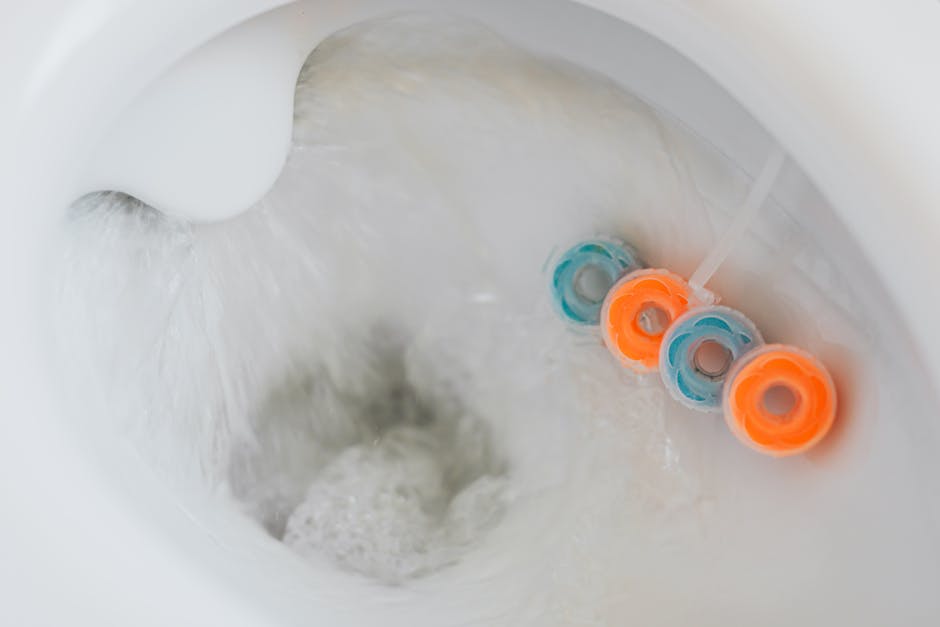
Before we dive in, let's define two key terms. "Normal wear and tear" means the gradual deterioration you'd expect from someone living in the home—loose door handles, faded paint, a toilet flapper that slowly wears out. Those are landlord costs, baked into the business.
"Tenant damage" is anything caused by the tenant's action or negligence. Flushing a toy? That's tenant damage all day long. Dropping a shampoo bottle and cracking the tub? Same thing. This distinction matters because it determines who pays.
What the Lease Says (Usually)
Most residential leases have a clause that says tenants are responsible for any damage they cause beyond normal wear and tear. In plain English: if you break it, you bought it. But here's where new landlords often stumble—the lease doesn't automatically mean the tenant gets to pick up the phone and hire whoever they want. In my leases, I always specify that the tenant must report any damage or maintenance issue immediately, and the landlord will arrange repairs. The tenant is then billed for the cost of fixing their damage.
Why not let them handle it themselves? Because if I've learned one thing managing hundreds of units, it's that a tenant's idea of "fixed" can be wildly different from mine.
The Case Against Tenant DIY Repairs

I once had a tenant try to clear a clogged toilet with a wire coat hanger. He ended up scratching the porcelain badly and, worse, cracked the internal trap. A simple auger job turned into replacing the entire toilet—and patching the ceiling below after water seeped through. That five-minute DIY cost me a full day of work and a threetool paper bill that the tenant had to pay anyway.
Even when a tenant means well, they're not plumbers. They might use chemical drain cleaners that eat through old pipes, or they might not turn off the water supply and cause a flood. Then there's liability: if a tenant hires an unlicensed handyman who gets hurt, you could be dragged into a mess. For me, the only safe route is for the landlord to coordinate repairs every time.
Step-by-Step: How I Handle a Tenant-Caused Toilet Clog
- The tenant calls me immediately. No waiting to see if it "fixes itself." Water damage waits for no one.
- I ask questions: What exactly happened? Is water actively overflowing? Have they shut off the water supply behind the toilet? I guide them to shut it off if possible.
- I dispatch my go-to plumber (or, for smaller properties, I might grab my own auger). The key is a licensed, insured professional—not the cheapest guy on Craigslist.
- The plumber extracts the object or unclogs the drain. If the toilet is damaged beyond repair, we replace it. I always ask for an itemized invoice noting the cause.
- I pay the bill upfront and then invoice the tenant for the amount, due with next month's rent or as a separate payment per the lease. I keep a copy of the invoice and any photos for my records.
- I don't touch the security deposit for this during tenancy—the deposit is for damages discovered after move-out. For mid-lease damage, I bill directly.
Could This Lead to a Rent Increase?

A single flushed toy isn't going to trigger a rent hike. Leases are contracts, and I can't just raise the rent because a toilet needed clearing. However, chronic property damage can influence my decision at renewal time. If the same tenant causes repeated issues—plumbing clogs, holes in walls, broken appliances—I'm going to factor that into my risk calculation. Maybe I'll raise the rent more aggressively at renewal to offset the higher maintenance cost, or maybe I'll choose not to renew at all. But one accident? I treat it as a cost of doing business (that the tenant pays for, not me).
The Real Lesson: Communication Over Everything
Here's the bottom line: train your tenants to report problems the moment they happen. Hiding damage or attempting a secret fix almost always makes things worse and erodes trust. And for landlords, never assume the tenant has it handled. You own the asset, and your biggest job is protecting it. Even if it means a Saturday porch call.
I'm not a lawyer and this isn't legal advice. Every state and municipality has its own landlord-tenant laws. Before you bill a tenant or handle a repair, check your local regulations and consult a qualified attorney.