July 27, 2026 · utilities
When the Lease Says Heat is Included but It's Electric: Who Pays the Bill?
A tenant’s lease says heat is included, but the heating system runs on electricity they pay for. Here’s what a retired property manager would do to resolve this sticky utility dispute.
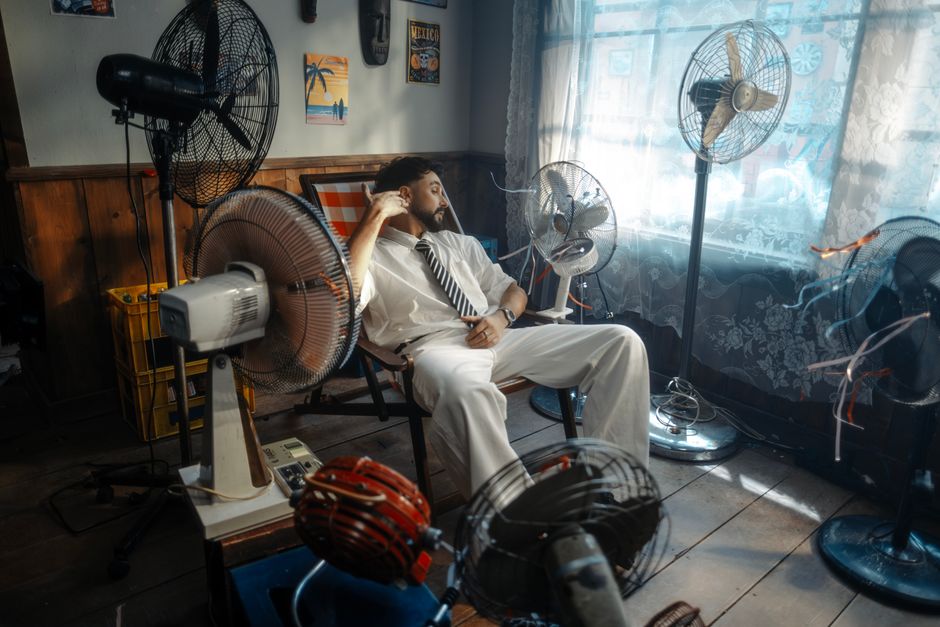
As a retired property manager who spent decades untangling utility disputes, I’ve seen this exact scenario more times than I can count. A tenant moves in, the lease says the landlord covers heat, but the first cold snap hits and the furnace or baseboard heaters are clearly running on electricity—the same electricity the tenant is supposed to pay for. Now they’re staring at a sky-high bill and wondering who’s on the hook. If you’re asking, 'If the heat included in rent actually uses electricity, is the landlord responsible for part of the electric bill?' you’re in a tricky spot that’s more common than you’d think.
What the Lease Actually Says
The first thing I’d do—whether I’m the landlord or the tenant—is grab the lease and read the exact wording on utilities. Most leases have a section that spells out who pays for what. In this case, the landlord community says the lease explicitly states the tenant is responsible for all electricity, including for heat. That’s a pretty ironclad clause. Legally, if you as a tenant signed that, you agreed to pay the electric bill no matter what it powers. The fact that the landlord also said heat was included creates a contradiction, but courts usually give more weight to the written lease than to verbal promises. I’m not a lawyer and this isn’t legal advice—just decades of seeing these things play out.
If the lease says “tenant pays all electric” and there’s no separate meter for the heating system, the tenant is likely on the hook. But if the lease also lists “heat” under landlord-provided utilities, that’s a direct conflict that could go either way depending on local laws. In some states, an ambiguity in the lease is interpreted against the drafter (usually the landlord). That’s why it’s critical to talk it out before things get heated—pun intended.
Is There a Backup Heat Source?

Here’s a detail that gets overlooked: sometimes the unit actually has a primary heating system that’s gas, oil, or boiler-fed, and the landlord is paying for that. But the thermostat on the wall might also kick on electric baseboard heaters as a booster, or the tenant might be using plug-in space heaters because the main system isn’t keeping up. I once managed a building where each apartment had a gas furnace, but the living room had a supplemental electric baseboard heater that tenants would crank up because the thermostat was right there. They’d rack up electric bills three times our usual estimate, then call me furious.
So before you point fingers, check what’s actually generating the heat. If there’s a gas furnace in the basement that’s supposed to heat the whole unit, but you’re running electric baseboards because it’s poorly balanced, that’s a maintenance issue—not necessarily a utility dispute. The landlord’s obligation to provide a habitable temperature typically means maintaining the primary system. If you’re having to use supplemental electric heat just to stay warm, you might have a habitability complaint, and that changes the conversation.
Talking It Out with Your Landlord

No matter what the lease says, a good relationship between landlord and tenant is worth preserving. If I were the tenant, I’d approach the landlord calmly, not with demands. Explain that you’ve noticed the heating system is electric and your bill has spiked. Ask if there’s another heat source you should be using instead. Sometimes the landlord assumes you know there’s a gas furnace switch somewhere, or that the thermostat needs to be set a certain way. I’ve literally had tenants who didn’t know they had a gas fireplace because the previous tenant never showed them.
If it turns out the only heat source is electric, then you have a genuine mix-up. The landlord might have listed the property as “heat included” out of habit if they converted from a central heating system. In that case, it’s reasonable to ask for a temporary concession. Maybe they’ll split the difference for the winter months, or give you a small credit on next month’s rent to soften the blow. As a landlord, I’d rather do that than lose a good tenant over a misunderstanding that could’ve been avoided with clearer communication.
What I Would Do as the Landlord
If I were managing this property, I’d first audit the lease and my own listing. If my advertisement or lease addendum said “heat included,” but the actual utility clause contradicted it, I’d own that mistake. I’d sit down with the tenant, apologize for the confusion, and work out a fair number. Maybe I’d compare their electric bill to a baseline month (like September, when no heat or AC is used) and cover the difference for the heating season. Or I’d install a separate submeter for the heating circuit so they aren’t overpaying. It’s not just about legal obligation—it’s about doing right by someone and avoiding a reputation as a slumlord.
When Leases and Promises Clash
Ultimately, if the lease is clear, the landlord likely has no legal duty to pay that electric bill. But the gap between “what’s legal” and “what’s fair” can be wide. Tenants in this position should document everything: save the lease, screenshot the listing if it said heat included, and keep a log of conversations. If you can’t reach an agreement, you might consult a tenant rights group or an attorney—especially if the cost is more than a month of rent. But in most cases I’ve seen, a simple conversation clears things up.
Disclaimer: I’m not an attorney and this isn’t legal or financial advice. Laws vary widely by state and municipality. Always consult a qualified professional for your specific situation.